 A Network of People Building Peace
Northeast Asia
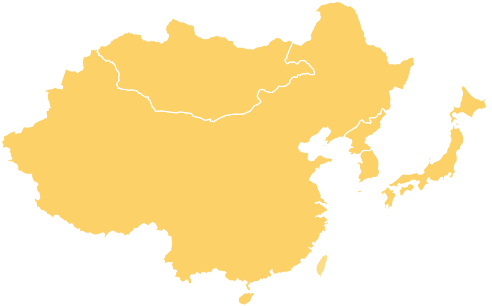
GPPAC members in Northeast Asia pioneered the Ulaanbaatar Process, a unique Track II dialogue for peace and stability in Northeast Asia. Since 2015, the Ulaanbaatar Process has been the only standing platform that regularly brings together civil society representatives from North and South Korea, as well as China, Japan, Russia, the United States, and Mongolia to engage in peace dialogue.
Maintaining dialogue amid tensions
Even when official talks stall, communication, including both North and South Korea, continues through the Ulaanbaatar Process. By offering a safe space for discussion, it ensures that citizens’ voices remain active and connected, even in moments of political impasse.
Promoting peace and cooperation
While much of the regional debate emphasises military strength as the only path to peace, the Ulaanbaatar Process provides an alternative: dialogue and cooperation as tools to understand perspectives, identify areas for concrete collaboration, and, where possible, ease tensions. The process also enables participants to gain firsthand insights into developments across the region, beyond polarised national narratives. Learn more about the Ulaanbaatar Process.
GPPAC members in Northeast Asia launched the ‘’Peace Games’’ together with the American Friends Service Committee as an alternative to popular war game simulations that rehearse militarised crisis responses in Northeast Asia.
Peace Games help participants develop practical skills to prevent conflict and promote collaboration. Through simulations focused on negotiation and the collaborative drafting of resolutions, participants gain hands-on experience in seeking alternatives and policymaking. They are an innovative, inclusive, and participatory methodology that can be adapted to different discussion formats. Click here to find out more.
Highlights & results
Why our members' work matters in Northeast Asia:
The Ulaanbaatar Process addresses a critical gap in Northeast Asia, where the lack of a regional intergovernmental organisation limits civil society’s access to governments and international bodies. It offers a safe space for civil society to exchange views, shape dialogue, and lay the groundwork for a future regional peace and security mechanism. Each Ulaanbaatar Process agenda is designed by GPPAC members from Northeast Asia, adapting to the urgent challenges of the region and people living in it.
Since 2015, the Ulaanbaatar Process has facilitated 11 dialogues, fostering cooperation, understanding, and sustainable peace in the region.
“What Northeast Asia needs is not more heated rhetoric, stronger weapons, and more robust missile defence systems but rather a firm commitment to open and constructive dialogue. This is where GPPAC plays a critical role."
Regional Secretariat
Regional Secretariat
Peace Boat
B1, 3-13-1 Takadanobaba, Shinjuku
Tokyo 169-0075, Japan
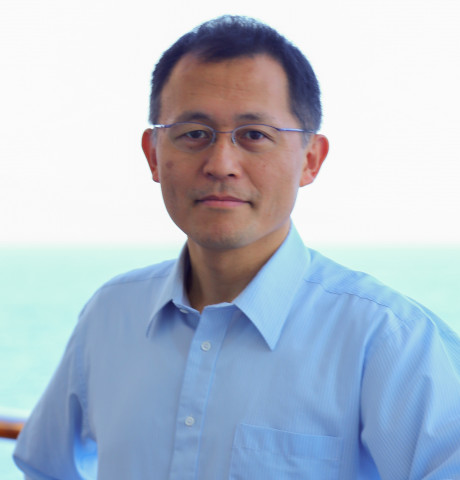
Regional Representative
Yoshioka Tatsuya
Regional Liaison Officer
Meri Joyce