 A Network of People Building Peace
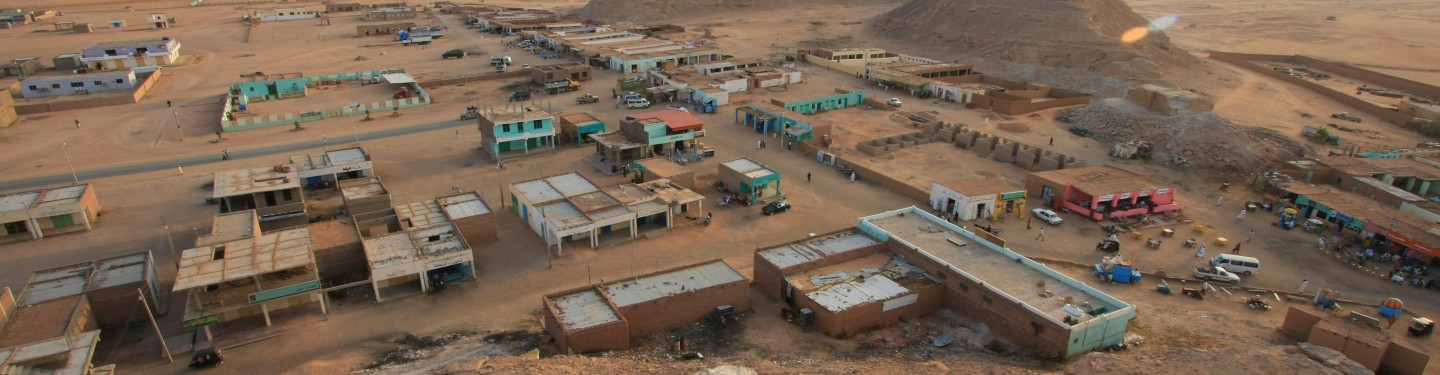
‘Enough is enough’: Women advancing peace across the Sudan-South Sudan border
For more than 20 years, GPPAC has supported local peacebuilders working on the frontlines of conflict around the world. In today’s news cycle, dominated by war, division, and crisis, it is easy to feel overwhelmed or discouraged. Yet every year, there are stories that remind us why our work matters and why local leadership remains one of the strongest forces for peace. Last year, one of those stories came from Abyei. It came from Detcro, the Abyei Women’s Union, and from Ngok Dinka, Twic, and Misseriya women who refused to accept violence as inevitable. This is their story.
Abyei, located on the border between Sudan and South Sudan, is often portrayed as one of the most contested and fragile regions globally. Conflict in Abyei reflects decades-long tensions among the Ngok Dinka, Twic, and Misseriya communities over land, identity, and political authority. Countless sources are telling the story of what is not possible in Abyei, of what is failing or absent, emphasising its fragile formal peace mechanisms, limited humanitarian presence, and eroded trust between communities. This story shows another side of Abyei. One where women not only believe that peace can be achieved, but are taking the lead to make it happen. This story reveals how Misseriya and Ngok Dinka women were preparing to lead a peace process between their communities when the Ngok Dinka recognised rising tensions between their community and the Twic. The women redirected both funding and effort towards addressing the immediate crisis and within a remarkably short period, a peace agreement was signed between the Twic and Ngok Dinka communities.
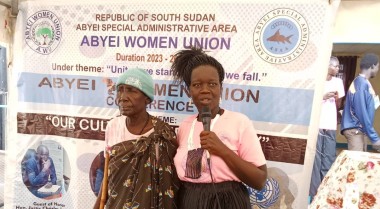
Women’s leadership in Abyei’s peace efforts dates back more than a decade. It builds on a long tradition of community-driven action, most notably through the Piou Tok movement - meaning “One Heart” in Dinka - a women-led initiative through which Ngok Dinka women organise locally to prevent violence, mediate disputes, and promote coexistence. These efforts earned them widespread respect at the community level, yet their influence has rarely extended into formal or national peace processes shaping Abyei’s future. Barriers such as cultural norms, the high cost of participating in distant negotiations, and ongoing insecurity have consistently limited not only women’s but also youth’s direct engagement in peace processes.
In early 2024, the local women mobilised support and secured funding to pursue a clear goal: to initiate a women-led peace process between the Misseriya and Ngok Dinka communities.
In the first half of 2025, mindful of the decades of violence that have shaped relations between their communities, the women focused on building the foundations they knew any credible peace process would require. They jointly identified key areas for preparation: trauma healing, understanding cycles of violence, conflict analysis, and nonviolent communication. It was during these times that the Ngok Dinka women began to notice provocative songs being sung in the market, leading to tension between the Ngok Dinka and Twic communities. Alarmed by what they were hearing, the women raised concerns about a potential escalation and the urgent need to act before violence worsened.
Responding to this early warning, the women requested support to launch an additional peacebuilding track focused on Ngok–Twic relations, building on the recent UN-supported youth-led dialogue. The Ngok and Twic women came together in June 2025 in Wau to say:
“Inspired by the courage of our youth and guided by our roles as mothers, sisters, and peacebuilders, we declare ‘enough is enough’. “ - The Ngok-Twic Women Peace Dialogue Resolutions
The resulting peace dialogue led to a set of resolutions agreed upon by Ngok and Twic women peacebuilders, formally endorsed by representatives from Abyei and Warrap State, and consecrated through traditional rituals. Since then, violence between the two communities has declined, and the peace process has led to the reopening of key roads, ensuring the free movement of people and goods:
“Even now, if you came here to Abyei, you would find many, many of the Twic people who used to be afraid to come; they just come here. If you go to Abyei, people are moving freely,”- says Akuot Chol, project lead from Abyei
While the Ngok Dinka women were busy with the Twic dialogue, the Misseriya women were following their training track. “We are more confident now,” one woman peacebuilder reflected. “We know how to speak, how to listen, and when to act.” Due to ongoing security concerns, in-person dialogue between the Ngok and Misseriya women was not possible during the project period. When travel became impossible, telecenters were established in Muglad and Abyei, enabling women to hold virtual meetings and dialogue across the border. Against a backdrop of decades of mistrust and recurring conflict, these exchanges marked the first cross-border dialogue among women from the Ngok Dinka and Misseriya communities. The women now continue to engage with each other into 2026, with the goal of reaching a peace agreement and sustaining peace in their communities.
Throughout the process, Detcro and partners played a facilitative role, following the women’s lead. In the most contested region of South Sudan, women identified early warning signs, redirected efforts, prevented escalation, and delivered a peace agreement recognised by their state administration. As financing shrinks and communities face pressure to rely on themselves, this model matters. “We know where to go and knock, where to get what we want,” Akuot emphasised. “Support us women, support the ideas coming from the women. We already know what we want to do, we identified our priorities... and we know how to achieve this.” Sustaining peace in Abyei and neighbouring regions will depend on continued investment in locally rooted organisations. Around the world, countless women facing violence and insecurity are already saying ‘enough is enough’. The lesson from Abyei is simple: when we invest in women and follow their lead, peace becomes possible.
Implemented by Detcro, a South Sudanese local NGO, in partnership with the Abyei Women’s Union, the Abyei Women’s Initiative: Advancing Peace, Economic Cooperation, and Inclusion was funded by the Rapid Response Window of the United Nations Women’s Peace and Humanitarian Fund, with grant stewardship provided by GPPAC.
Related highlights